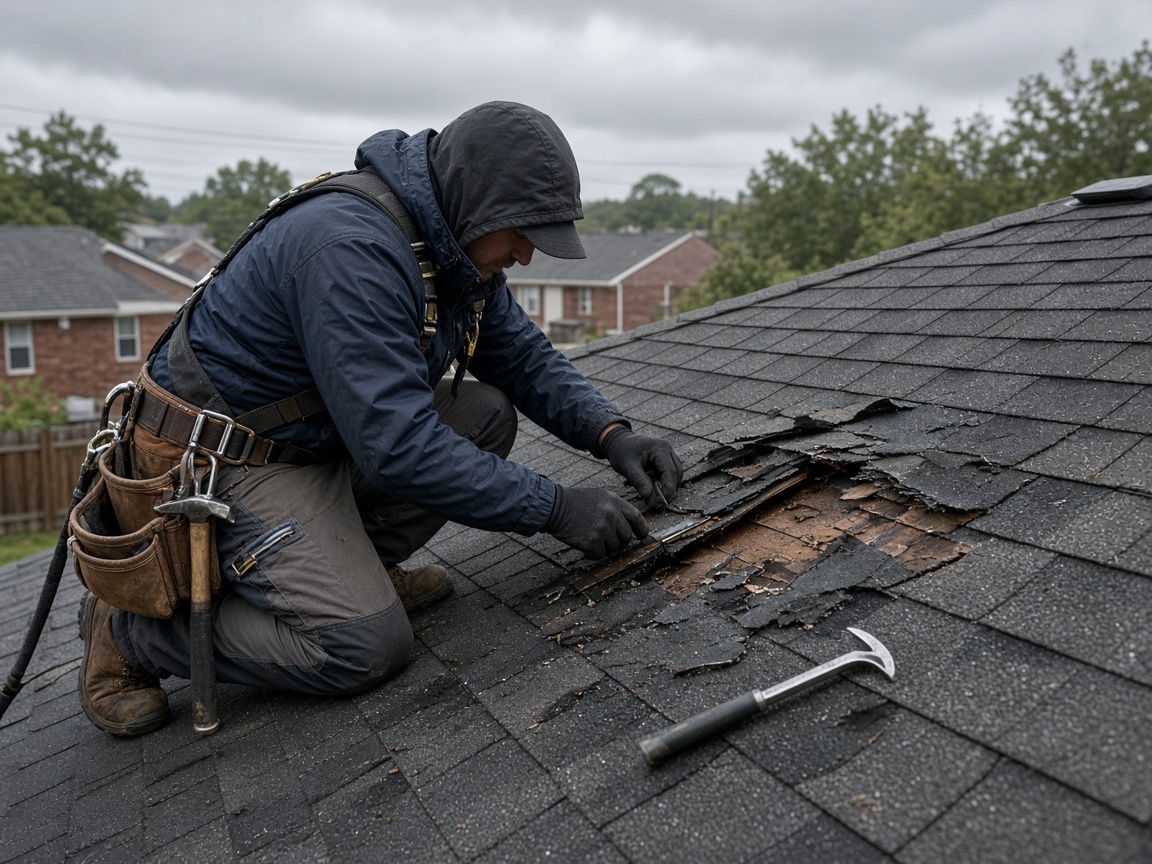
Garland homes in neighborhoods like Duck Creek and North Garland often feature older asphalt shingle roofs exposed to hot humid summers that soften materials and promote algae growth. When storms roll through from Dallas, wind-driven rain finds weak spots around vents and valleys, turning minor issues into interior leaks. The pros we connect you with focus on temporary tarping and targeted patching to stop water intrusion before permanent replacement, especially around properties near Spring Creek Nature Preserve where tree debris adds extra wear.
Mild winters in Garland let small flashing failures go unnoticed until humidity spikes again, particularly on homes near Firewheel Town Center with complex rooflines. Emergency calls frequently involve compromised underlayment from prolonged moisture or hail impacts common in Dallas County. Connected technicians assess decking integrity on site, using moisture meters to locate hidden rot without unnecessary demolition, then secure the area with compatible sealants rated for Texas heat cycles.
Terrain around Downtown Garland includes slight slopes that direct runoff toward foundations, making quick edge repairs critical during heavy rains. The pros we connect you with prioritize matching existing shingles or metal panels from local suppliers to maintain warranty continuity where possible. They also check attic ventilation to prevent future condensation problems that worsen after emergency fixes in humid conditions.
Richardson and Mesquite border properties share similar stock of 1970s-1990s construction, where original felt underlayment has often degraded. Emergency roof repair here means addressing wind uplift at eaves first, then verifying no active leaks remain before leaving the site.
Technician insight
In Garland, the thing that catches most people out with Emergency Roof Repair is how mild winters let small leaks around older vent boots in Duck Creek homes stay hidden until a humid summer downpour soaks the attic insulation.
Leak After Summer Storm in North Garland
Heavy rain exposed a failed valley on a 1980s home near Duck Creek. The team found rotted decking extending two feet past the visible drip. They tarped the section, replaced the damaged plywood, and sealed the area with compatible flashing to restore protection.
How it works
- 1
Initial Assessment
The pros we connect you with inspect the roof from the ground and attic to identify active leak points and safety risks.
- 2
Temporary Securing
They apply tarps, sealants, or patches to halt water entry while protecting surrounding areas.
- 3
Documentation and Plan
Photos and notes are taken for insurance and to outline next steps for full repair.
- 4
Follow-Up Coordination
Permanent solutions are scheduled with the same local team familiar with Garland conditions.
Pricing
Costs depend on roof access, extent of active damage, and whether temporary or permanent work is completed in one visit.